Average Reviews:

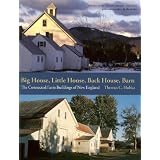
(More customer reviews)If you have ever wandered around Maine, you will have noticed a unique form of farm architecture. But ask most people why 19th century Maine farmers made such a concerted effort to physically connect the structures on their farms and the answer is "they needed a way to get to the barn through the winter snow." Trust me, I have gone around and asked current dwellers of Maine farmsteads.Thomas Hubka carefully points out that if that were so, we'd see similar connected farm architecture in parts of the nation where winters were even more inclimate and snowier. Yet Maine farm architecture remains almost totally enigmatic. Hubka's diligent field work reveals that forces were at work in mid-19th century Maine that conspired against the rural farmer: industrial competition for hand-manufactured goods produced at home for cash suppliment, a labor drain to other more prosperous farming regions, and unyielding land. The brilliance of Hubka's work is that he evokes how, despite all this, Maine farmers strove to adapt by creating resilliant islands of industry with the structure of their homes that defiantly sheltered year-round dooryard work efforts from wind and snow, but also change abroad. This book is also a perfect source of pithy detail and illustration regarding 17th century cape-style house architecture which, it turns out, is still ubiquitous in New England. Highly recommended, a stiking work.
Click Here to see more reviews about: Big House, Little House, Back House, Barn: The Connected Farm Buildings of New England
The twentieth anniversary edition of the classic architectural study of the connected farm buildings of New England.
 Get 38% OFF

0 comments:
Post a Comment